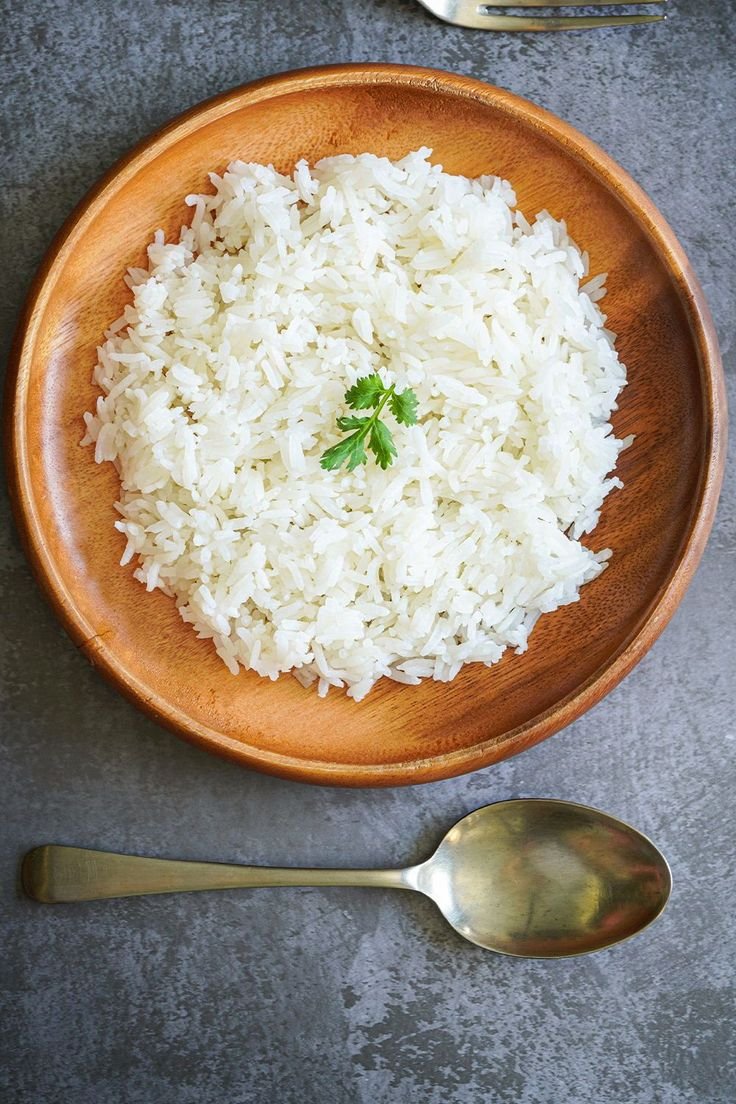
How to cook rice. Rice is a staple food enjoyed by millions around the world. Whether you’re preparing a simple home-cooked meal or an elaborate feast, perfectly cooked rice is a must-have on the table. But many people struggle to get it just right—too sticky, too dry, or sometimes half-cooked. The good news is: cooking rice is easy once you know the right technique.
In this blog, we’ll guide you through a simple method how to cook rice fluffy, delicious rice on the stovetop. Whether you’re a beginner or someone looking to refine your skills, this step-by-step guide will help you master the art of rice cooking.
Why Rinse Rice Before Cooking?
Before we begin, one of the most important steps is rinsing the rice.
Raw rice is coated with surface starch that can make it sticky when cooked. Rinsing it with cold water removes this excess starch and prevents clumping. Simply place the rice in a bowl or strainer, add water, swirl it with your fingers, and drain. Repeat 2–3 times until the water runs clear.
Basic Ingredients
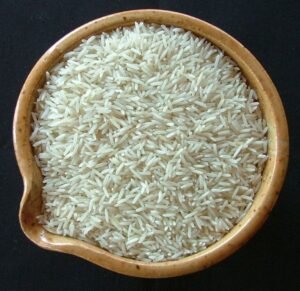
To cook plain white rice (basmati or long-grain), you’ll need:
- 1 cup rice
- 2 cups water
- ½ teaspoon salt (optional)
- 1 teaspoon oil or butter (optional)
Tip: You can adjust quantities based on how much rice you need—just keep the 1:2 rice-to-water ratio.
Step-by-Step: How to Cook Rice on the Cooker
1. Measure the Rice and Water
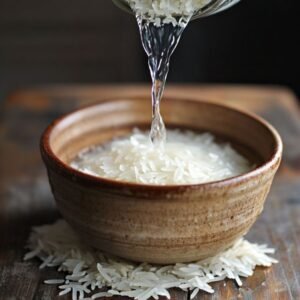
Add 1 cup of rinsed rice and 2 cups of water to a medium saucepan. Add salt and oil if desired.
2. Boil the Water
Place the pan over medium-high heat and bring the water to a boil. You’ll notice small bubbles forming on the surface.
3. Simmer and Cover
Once it starts boiling, reduce the heat to the lowest setting and cover the pan with a tight-fitting lid. This traps the steam and helps the rice cook evenly.
4. Cook for 15–18 Minutes
Let the rice simmer on low heat for 15–18 minutes. Try not to open the lid or stir during this time—disturbing the steam can affect the texture.
5. Let it Rest
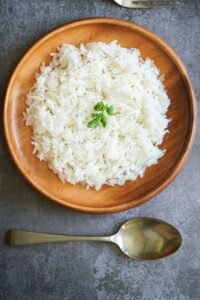
After the cooking time is done, turn off the heat and leave the rice covered for another 5–10 minutes. This allows the rice to finish cooking through steam and become fluffy.
6. Fluff and Serve
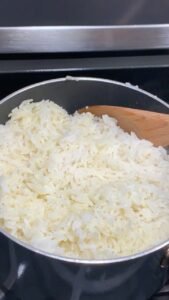
Open the lid and gently fluff the rice with a fork. It should be light, non-sticky, and perfectly cooked.
Tips for Better Rice
- Use a heavy-bottomed pot to avoid burning or sticking.
- Avoid stirring the rice while it cooks—it breaks the grains and makes rice mushy.
- Resting time after cooking is essential for fluffiness.
- If rice is too wet, remove the lid and cook for 2–3 more minutes on low heat.
Common Rice Varieties and Water Ratios
| Rice Type | Water Ratio | Cooking Time |
| Basmati (white) | 1:2 | 15–18 mins |
| Long-grain white | 1:2 | 18–20 mins |
| Jasmine | 1:1.75 | 15–18 mins |
| Brown rice | 1:2.5 | 35–40 mins |
| Parboiled rice | 1:2.25 | 20–25 mins |
Note: Brown rice takes longer and needs more water due to its outer bran layer.
Alternative Cooking Methods
1. Rice Cooker
Add rinsed rice and water, press the “cook” button, and let the machine do the rest. It’s perfect for busy cooks or beginners.
2. Instant Pot / Pressure Cooker
Use 1 cup rice to 1¼ cups water. Cook on high pressure for 4–6 minutes, then let it naturally release for 10 minutes.
Final Thoughts
Learning how to cook rice may seem simple, but once you master it, you’ll realize how much it can transform your meals. Rice is one of the most versatile and comforting foods in the world—whether you enjoy it with curries, stir-fried vegetables, dals, or even on its own with a touch of butter or ghee. When you understand the science behind how to cook rice, you unlock the key to making every dish feel complete, balanced, and satisfying.
There are countless types of rice available—basmati, jasmine, brown, wild, and even red rice—and learning how to cook rice for each variety gives you flexibility in your kitchen. For example, basmati rice pairs beautifully with Indian curries, while jasmine rice complements Asian dishes perfectly. Once you get comfortable, you can experiment with flavors—adding spices, herbs, or even coconut milk for a richer texture.
So, the next time you step into your kitchen, remember—learning how to cook rice is not just about following a recipe. It’s about developing a small but powerful cooking skill that will serve you for life. Start with your favorite variety, follow the right steps, and soon you’ll be serving perfectly fluffy, aromatic rice every single time.
When you truly know how to cook rice, every meal feels more comforting, every bite more satisfying, and every effort in the kitchen more rewarding.